Contents

The alumni magazine of the University of Nottingham

Connect

Hello from your alumni team

Autumn is often a time of new beginnings and with that in mind, we’re so pleased to welcome those of you who have graduated this year, our Class of 2025!

We’re so excited for all that comes next for you and we look forward to being here, as and when you need us, to continue to support you with further learning, networking opportunities around the world and careers support as you embark on your journey ahead. Those of you who have been part of the Nottingham alumni community for a little while will we hope have found our activities and communications beneficial over the last year. We hope that many of you have had the opportunity to join one of our many online or in person activities, perhaps return to campus, utilise online library resources, or connect with old friends through the alumni services we provide.

It is often said that it is the people that make a place great, and the same is true for Nottingham and our alumni. You are what make our alumni community the wonderful, inspirational and supportive community that it is today. We are so proud of all of your achievements and the impact that you make on the world around you, and delighted by hearing of the long-lasting friendships and new connections formed through your time at Nottingham and participation in alumni activities. This magazine captures just some of what makes Nottingham so special and we do hope that you enjoy reading this year’s Connect magazine. We look forward to meeting and hearing from many of you in the coming year.

Your Alumni Engagement team

News

Getting to know our Vice-Chancellor

We’re delighted to welcome Professor Jane Norman, who took up her position as our eighth President and Vice-Chancellor in January 2025. We met with Jane to find out about the highlights of her role so far, what makes her proud of Nottingham, and the future of the university.

What have been some of the highlights of your role so far?

“It is hard to distil them because there is so much excellent work going on across the organisation. One of the highlights is graduation at our campuses in the UK, Malaysia and China. They’re wonderful occasions with happy students and proud families and staff – we appreciate the value our students bring to the university and it’s a great way to celebrate their achievements.

My other highlights are the Lord Dearing Awards, where we recognise staff who bring innovations into teaching; and our research awards, where we celebrate the huge range of work our researchers do that positively impacts the world. Meeting our staff, and hearing them speak with passion about their work, is a real privilege.”

What are you most proud of about the University of Nottingham?

“I’m proud that we are a Russell Group university that is among the top 100 in the world. But more importantly, it’s not just what we do, but how we do it. We are a university that lives its values. We have a very strong set of values – we want to be kind; we want to be ambitious; we want to be inclusive. I believe that we live those values in the work we do. I’m proud of how we generate fundamental knowledge and share it with the world; I’m proud of our students and what they go on to achieve; and I’m proud of our internationalisation and how that speaks to how we see ourselves as a university.”

What are the opportunities ahead for Nottingham?

“One of the things we’re working on is enhancing the sense of student belonging. I’m keen that the graduates of the future feel as positive about their university experience as the alumni I speak to do. We can do that through supporting sports and societies, increasing interaction with academic staff, and enhancing learning through digital support.

“I’m also keen that we maintain and futureproof our employability. The jobs of the future are going to be very different, so I’d like to ensure that we equip our graduates with skills for the future. We also need to think about what internationalisation looks like for us over the next 10 years, as it’s an important part of our DNA.

“Ultimately, it is how we continue to be a force for good in the world. We do that through our graduates, who go on to achieve fabulous things, and our research, in tackling challenging problems and making the world a better place. We’ve done that for the last 50 years, and I’d like to make sure that we can do that even more over the next 10 years.”

What’s the one thing you’d like alumni to know?

“One of the best parts of my job is meeting our alumni. We are so proud of all of our alumni and the fantastic things they achieve. I want to make alumni even prouder of us over the next 10 years. I’m ambitious about our success, I think we can be top 50 in the world. I think that’s important, not because league tables are important, but because of what that will say about the quality and impact of our education and research. So for alumni, my message is we’re proud of you and I want you to be proud of us too.”


Nottingham ranked among world’s Top 100 universities

We are proud to rank 97th globally and 17th in the UK in the latest QS World University Rankings, which assess universities against six key performance indicators including research, teaching and internationalisation. We performed strongly for employability and employer reputation, reflecting our position as the leading UK university for graduates entering highly skilled employment for five years running (HESA Graduate Outcomes data 2021–2025, number of full-time, UK, UG and PG students).

100 years of sporting excellence

2025 marks one century since the Highfields Cricket Pavilion first opened its doors! One of the university’s oldest buildings, and the birthplace of our sporting legacy, it’s been a backdrop to countless memories at Nottingham. Share your recollections: alumnienquiries@nottingham.ac.uk

An incredible year of sport for Green and Gold

It’s been one of the most successful years to date for University of Nottingham Sport, with highlights including finishing the year as the top university for team sport in the UK for the fourth consecutive year, including a record-breaking 31 teams representing the university at BUCS Big Wednesday, and being crowned university national champions in 24 different sports across the year of competition.

Pharmacy turns 100

This academic year, the School of Pharmacy turns 100. From its early roots in the Trent Building, the department has grown into a global leader in pharmaceutical education and research.

Key milestones:

1925: Pharmacy becomes an independent department.

1928: Moves to the new Trent Building on University Park, with a lab, lecture room, and microscopes.

1930s: Publishes key textbooks; Boots supports 10 annual scholarships exclusive to Nottingham.

1940s-1960s: University College Nottingham gains its charter in 1948; in 1961, alumnus Stewart Adams co-creates ibuprofen.

1976: Department moves into the new Pharmacy building.

1983: Collaborative teaching with the Medical School begins.

1989: Professor Malcolm Stevens joins, researching temozolomide for brain cancer.

1990s-2000s: Research drives spin-outs like Molecular Profiles Ltd; 2005 sees the launch of the MPharm in Malaysia.

2010s: International Pharmacy degree with Tianjin University launched; ranked first in the UK in 2012; joins UNESCO UNITWIN in 2014.

2025: Ranked 12th globally and 4th in the UK (QS 2025), with 96% of research rated ‘world-leading’ or ‘internationally excellent’, and alumni in over 89 countries.

Reflecting on 100 years of achievement

Head of School, Professor Barrie Kellam, said: “This centenary year is an opportunity to reflect on the achievements of our staff, students, and alumni, honour those who shaped our journey, and reaffirm our commitment to leading in education and research for future generations.”

Share your memories

We want to hear from our alumni, staff and students. If you have stories, photos or memories from your time in Pharmacy, please share them at: alumni-enquiries@nottingham.ac.uk
Explore our history

Visit the centenary website

Find out more

Connected campuses, global minds

Words: Myles Griffin

For 25 years, the University of Nottingham Malaysia (UNM) has been more than a place to study – it’s been a bridge. A bridge between cultures, continents and futures.

As part of the university’s tri-campus model, UNM offers students the freedom to move between Malaysia, the UK and China, experiencing different cultures while following one consistent curriculum. The result? A generation of graduates who think globally, act confidently, and carry friendships that span the world.

Three students – Zhuojun Yu (Finance, Accounting and Management), Hoo Ji Han (Engineering), and Sabrina Tai Yiqian (Psychology) – show how Malaysia has been both a destination and a launchpad. Their journeys reveal the power of movement, Malaysia’s role as a vital link, and the lasting impact of the tri-campus advantage.

Hoo Ji Han
Zhuojun Yu
Sabrina Tai Yiqian

Global learning through movement

For Zhuojun, who left the University of Nottingham Ningbo China campus for a semester in Malaysia, the decision was academic and personal.

“The courses across the three campuses are coherent, so it wasn’t difficult to study there. But I also learned Southeast Asian accounting skills, like SQL analysis, that I couldn’t have learned elsewhere.”

Her semester was enriched by the diversity of her peers – friends from Malaysia, Indonesia, and the UK – and a campus set amid nature, with facilities like an outdoor swimming pool and shuttle buses to nearby towns. In smaller, more personal classes, lecturers knew her name and encouraged active participation.

“It pushed me to be positive in class,” she says. Outside lectures, she joined the Dancing Club, speaking English daily, building confidence, and making friends she still keeps in touch with.

Hoo Ji’s path was the reverse. After starting his degree in Malaysia, he took the opportunity to spend a year at the UK campus.

“I’d spent most of my life in Malaysia, so when I was offered the chance, I thought – why not? Experience a completely different culture and see how it goes.”

It was his first time in the UK – the furthest he’d been before was China. The familiarity of the syllabus made the academic transition smooth, leaving him free to explore.

“People were more welcoming than I expected. They were always inviting me to places and doing things together.”

The experience expanded his horizons. “I wasn’t very outgoing before, but that year abroad made me more confident. Now I’m applying for a programme in the US – I might not have done that without my time in the UK.”

For Sabrina too, the move from Malaysia to the UK was transformative – but it began with an intentional choice.

“When I signed up for UNM, I already knew I wanted to go overseas. My parents didn’t study abroad, but they’d seen friends come back changed. They said, ‘You should go too – it will open your eyes.’”

Preparing for the move meant a month of visas and housing logistics, but arriving in Nottingham was a revelation.

“In Malaysia, everyone keeps to themselves. Here, people were so open. I thought – I need to bring some of this energy back.”

Her flatmates, from Hong Kong, India, and the UK, became her cultural guides, swapping slang and sharing meals. She also volunteered at a local charity shop, meeting people from different generations. “A lot of my learning about the culture came from conversations”, she says.


Malaysia as a vital link

In all three stories, Malaysia’s role is central – whether as a welcoming destination or a springboard to other campuses.

For Zhuojun, Malaysia was a safe yet exciting step out of her home culture, offering English immersion and exposure to Southeast Asia’s multiculturalism. She remembers the respect for holidays, the blend of religions, and the kindness of friends who went out of their way to help her.

For Hoo Ji, starting in Malaysia meant beginning his degree in a familiar region while securing a qualification recognised in both Malaysia and the UK – giving him the flexibility to move abroad without disrupting his studies.

For Sabrina, Malaysia was a “very important stepping stone”, a place where she learned to live away from home, manage her studies, and build independence – skills that made her transition to the UK smoother.

The tri-campus advantage

A consistent curriculum underpins the tri-campus model. This continuity means that a student moving from one campus to another can slot into the same programme without losing momentum. It frees students to focus on cultural adaptation, personal growth, and new opportunities.

“Same syllabus, same modules – that helps a lot. You can anticipate what’s expected of you,” says Hoo Ji.

But beyond academics, the tri-campus advantage lies in how it fosters adaptability and intercultural fluency. Students learn not just in lecture halls, but in shared flats, volunteer projects, societies and spontaneous conversations. They return home – or move on to new destinations – more confident, more curious, and more connected.

A legacy of connection

Over 25 years, the Malaysia campus has been a place where global learning comes to life – not just for those arriving in Malaysia, but for those beginning there and stepping out into the wider world.

For Zhuojun, the experience was “a decision I’m very thankful for”, one that improved her skills, confidence, and friendships. For Hoo Ji, it was a launchpad for an even bigger journey. For Sabrina, it was the foundation for independence and openness.

As the University of Nottingham Malaysia celebrates its 25th anniversary, these stories show what the tri-campus model makes possible: not just degrees, but perspectives shaped by movement – and lives enriched by the connections that only a truly global university can offer.

University of Nottingham Malaysia

Location: Semenyih, Selangor, Malaysia

Established: 2000 – the first British university to establish a campus in Malaysia.

Facilities: 125-acre site with teaching and research facilities, sports complex, swimming pool, student accommodation, and natural surroundings including a central lake.

Academic links: Fully integrated into the University of Nottingham’s tri-campus model, sharing the same curriculum as the UK and China campuses.
Student community: Home to students from 74 countries, fostering a diverse and inclusive learning environment.

Your Nottingham Alumni Awards

Our Your Nottingham Alumni Awards continue to demonstrate how so many of you embrace the university’s values and make amazing contributions in so many different ways. Meet our 2025 winners and go behind the scenes at graduation with two of this year’s recipients.


Our 2025 Winners


Professor Ruth Chambers OBE, FRCGP, MD
(Medicine, 1975)

Ruth is a retired GP, author, visiting Professor at Staffordshire University and Honorary Professor at Keele University. The judges selected Ruth for embodying the value of ambition for her support of refugee doctors.

“I was very surprised when I found out that I had been picked for an alumni award from hundreds of applications. Despite my many achievements over the 50 years since I qualified in medicine at Nottingham, I’m still humble inside; and am driven by my inner desire to do better and make more of a difference!”

Dr Arta Istrefi
(Economic Development and Policy Analysis, 2014)

Arta is a leading voice in women’s entrepreneurship in the Western Balkans. The judges selected Arta for embodying the value of inclusivity for her commitment to women’s entrepreneurship.

“I was truly honoured to receive the award, as it’s both a recognition of my professional journey and a reminder of the strong foundation I built at Nottingham. To me, this award signifies that I continue to uphold the values, skills, and spirit of curiosity that I developed during my time there. It also reinforces the importance of giving back to the community and serving as an example for future generations of graduates. It makes me feel connected to a global network of alumni who are making a difference in their fields, and motivates me to keep striving for impact.”

Lauren Leyva
(Architecture, 2023)

Lauren is an award-winning campaigner, creator, business owner and home cook. The judges selected Lauren for embodying the value of openness for her zeal in tackling food poverty both locally and globally.

“Receiving the award is a huge accomplishment. It feels like a real full circle moment. I came to the university for so many years, and after going into a very different career from what I came here to study, it just feels that it is recognised, accepted and celebrated. I’m very happy!”


Dr Deepali Misra-Sharp
(Medicine, 2010)

Deepali is a GP and British Menopause Society Advanced Menopause Specialist and Trainer. The judges selected Deepali for embodying the value of inclusivity for her passionate advocacy for women’s health.

“It means a great deal to receive an alumni award. Returning to Nottingham as a mature student with two young children was one of the biggest leaps of my life, and the support I received there shaped not only the doctor I became, but also the person I am today. To be recognised now by the very institution that gave me a second chance feels incredibly full-circle. It’s an honour that carries deep personal significance.”

Dr Yakubu Salifu
(PhD Nursing Studies, 2019)

Yakubu is a nurse and lecturer in Palliative Care at Lancaster University and co-founder of COMPASS Ghana. The judges selected Yakubu for embodying the value of fairness for his pivotal role advocating for improved integration of palliative care.


“I’m really honoured by the award. It’s based on the academic work that I did here at Nottingham that has generated into COMPASS Ghana. It’s a testament to the attributes of Nottingham, the values of inclusivity, respect, fairness and openness. So I’m really pleased to be selected for this award.”

Rajesh Talwar
(Human Rights Law, 1997)

Rajesh is a legal scholar, a prolific author across multiple genres and has served the United Nations for over two decades across three continents. The judges selected Rajesh for embodying the value of respect for his dedication to the cause of human rights.

“I am both delighted and deeply honoured to receive this award. The time I spent at Nottingham was meaningful in many different ways. Not only did the university help me in advancing my career goals, it has now been kind enough to recognise the work I have been able to do with the UN. Being acknowledged by the university in this manner is both humbling and inspiring. I share this moment with my lecturers and fellow students who were all directly and indirectly responsible in shaping my journey.”


Nominations for the 2026 Your Nottingham Alumni Awards are now open!

We want to hear about alumni whose achievements inspire you, who make a positive difference to those around them, and who make you proud to be Nottingham.
Fill in our online form and complete your entry by 11 January 2026.

Submit your nomination


Behind the scenes at graduation

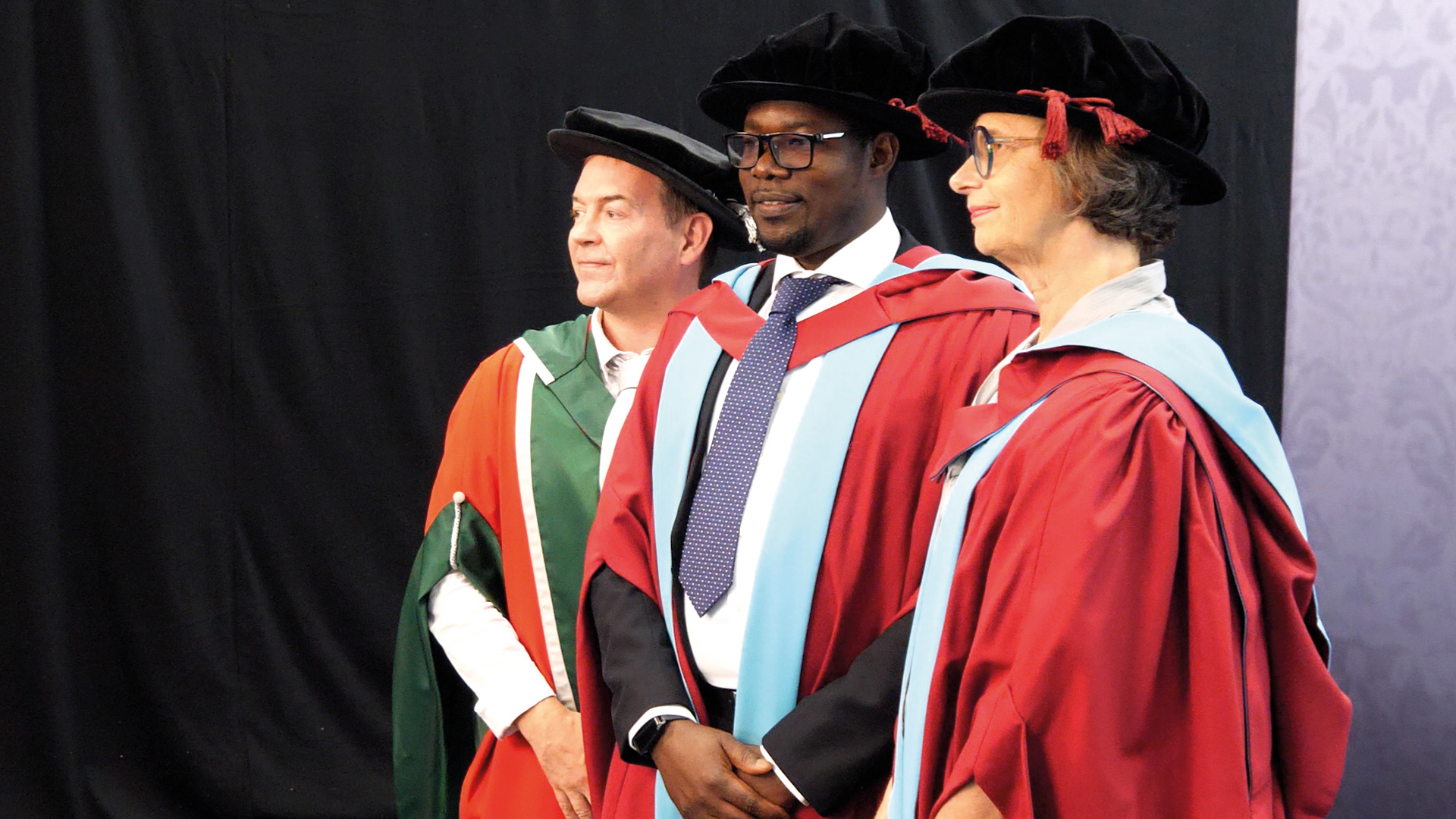
We went behind the scenes at graduation with Lauren and Yakubu as they returned to campus to receive their awards this summer.

“I’m very excited to be back at Nottingham. Being back reminds me of all the memories of my friends, and that first memory of falling in love with the campus. I’m looking forward to seeing my friends, I also tutored some students and they will be graduating today. So I’m looking forward to celebrating with them.”


Lauren Leyva

“To be back at Nottingham really feels like coming home. There’s nostalgic moments, seeing familiar places, bringing back memories of studying here at Nottingham. It’s also a day I’m reconnecting to people that I’ve known – my supervisors, mentors and faculty members. Seeing students graduating today also brings memories of my own graduation six years ago.”


Dr Yakubu Salifu

In uncertain terms

Words: Chris Hickman

Amanda Horton-Mastin
Professor Simon Mosey

Grappling with the potential impacts of AI on the workplace, living in an increasingly fevered political climate, and with the memories of a global pandemic still fresh in the mind – it’s fair to argue that we’re living in uncertain times.

But how do we continue to thrive and effectively apply ourselves in our careers? Amanda Horton-Mastin (PhD Chemistry, 1986) worked for Comic Relief for over 20 years and she, alongside Professor Simon Mosey, Director of the Haydn Green Institute for Innovation and Entrepreneurship, discussed the concept at our Live talk in London this summer. We caught up with them to discover their techniques and life lessons to lead through uncertainty.


How do we place ‘uncertainty’ into a workplace context?

Simon: “The book 100 Year Life by Lynda Gratton and Andrew Scott from London Business School has a premise that people born in the last 10 to 15 years will have a life expectancy of 100 and are likely to work for 80 of them. The idea that we follow the traditional path of education, job, retirement is no longer tenable.

“But conversely there are opportunities for people at every stage of their life to reinvent what they want to do around their passion. Although traditional graduate jobs are scarcer, there are more part-time, portfolio, volunteer and social jobs, and more educational opportunities at all stages of life. What really struck home from the book are these opportunities to transition in and out of education, work, and retirement, driven by passion, at different stages of life. We need to think about a new way of navigating – and that way of navigating is to embrace new ways of doing things.”

Amanda: “How we deal with uncertainty will depend on the different situations we find ourselves in. If you find yourself as a leader, and when uncertainty exists at a macro level, the decisions you make have a much bigger impact. That’s where the concept of looking at how you lead through uncertainty is interesting. Is there a simple guide? Uncertainty is likely to magnify our individual characteristics, but we can use these situations as an opportunity to harness the positive traits.”


How do we approach making difficult decisions?

Amanda: “You must have a team around you. I don’t know all the answers, I don’t even know half the answers! I need to bring other people in and listen to what they’ve got to say. Take input from the experts. If you’re going to try and make difficult decisions because things are tricky, you need to get the right input and then be comfortable asking for help if you still don’t know.”

Simon: “We need to differentiate between discomfort and stress in the workplace, which I think are interesting technical terms. We’ve got to a stage now where we expect to be comfortable all the time. In the workplace a little bit of discomfort, a little bit of chaos, can be stimulating, if you feel like this is going to help achieve a purpose.

“The one thing that can encourage people to make difficult decisions is giving them freedom and autonomy. But it’s a special kind of autonomy that says, ‘you know what you’re doing much better than I do. I’ll be responsible if this thing goes wrong. You go and do it, if it works, you get the credit. If it goes wrong, I’ve got your back.’”


How can we still find the space for creativity?

Amanda: “I’ve learned uncertainty is not the enemy. It’s the space where creativity lives. You don’t need to be the loudest voice; you need to be the clearest. You can’t do it alone though, so build your circle of brilliance and lean on them.

“As the leader of the Comic Relief delivery team, my job was to hold onto our goal. We had masses of creative input into everything we did, but the bottom line was that we needed to raise money. So in all of the chaos and creativity we had to identify the thing that kept us focused and that was my job: to keep us focused on that goal.”

Simon: “A lot of people come to me and say, ‘I’m not creative. I can’t come up with ideas.’ So I talk about the concept of ‘bounded creativity’, where you create some kind of constraint, usually in a democratic setting.

“As Amanda mentioned, you focus on the problem you’re trying to solve and then when you’ve got that fixed point, you can be incredibly creative, especially if you encourage people that don’t normally contribute. We try to get the quietest voices into the conversation as that’s often where all the brilliant ideas hide.”


Develop your skills and hear unique insights from our speakers at our alumni events

Don’t forget, you can catch up on our back catalogue of webinars on a wide range of professional development topics too.

My Office: Penny Andrews

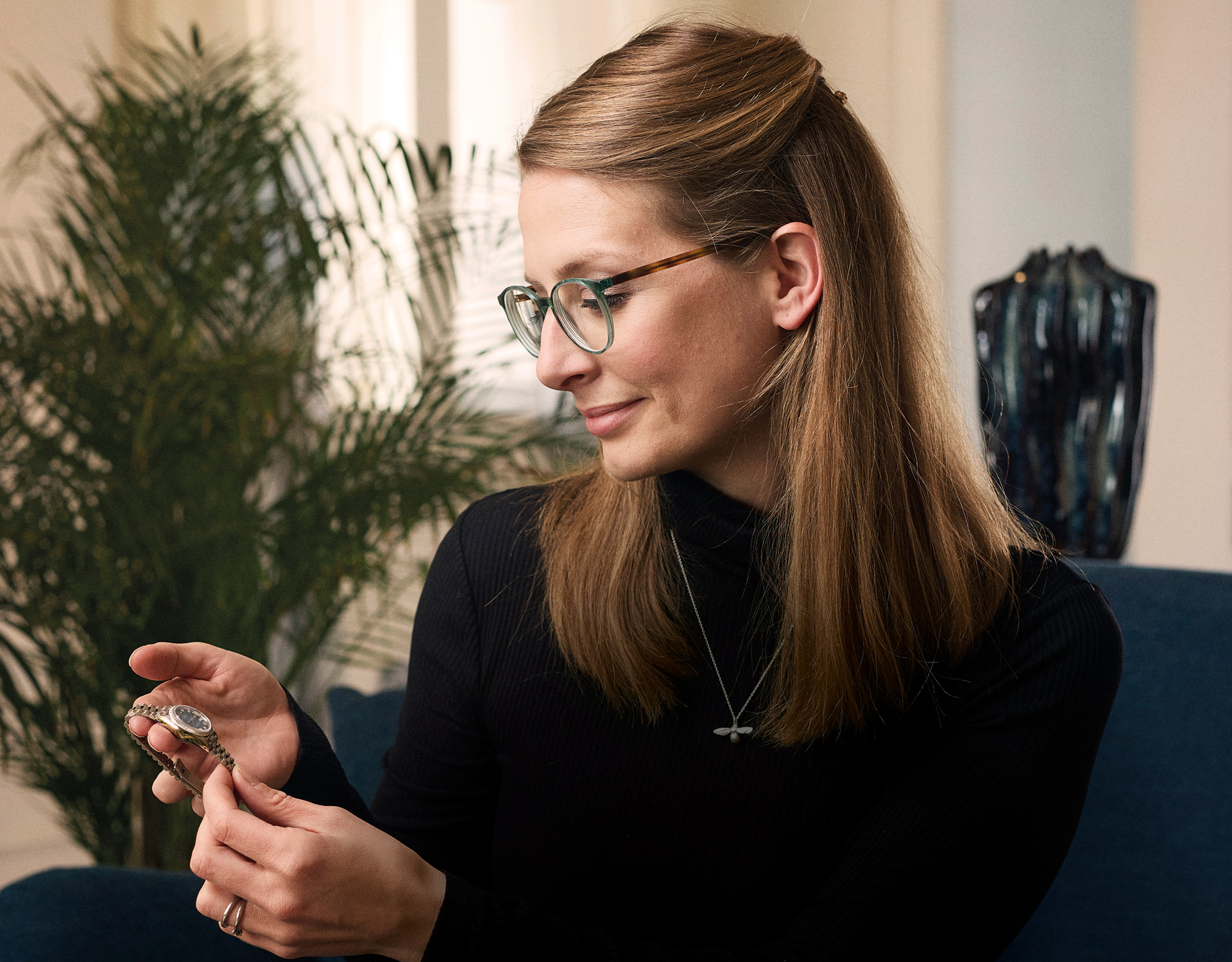
Our behind the scenes look at some of the career paths our alumni take sees us visit Bonhams in London. Penny Andrews (History and Art History, 2010) is the auction house’s ‘Head of Watches’.


What’s your job now and can you describe your office?

“I am Head of the London Watch Department at Bonhams Auctioneers. Bonhams has been established since 1793 and globally we hold more than 400 specialist sales a year across 60 different categories – from motor cars and fine art to antiquities and suits of armour, we cover it all!”

What was your career-defining moment or decision?

“A decision that has certainly defined my career would be turning down an offer to work at an accountancy firm after I graduated and opting for a part-time job at the local familyrun jewellers. I really wanted to be part of the team, and I went with my heart over my head. It was there I was first exposed to the world of horology, and if it wasn’t for that job, I certainly wouldn’t be where I am now.”

What are the key characteristics of someone who does your job?

“To succeed at an auction house, you need to be good at multi-tasking and prioritising your time. At any one time, we are working on two to three auctions at varying stages of the process, so organisation is key. You also need to be reactive to opportunities, and often creative with how you address a client’s needs. Knowledge is also vital when it comes to specialising in any field and absorbing everything you come across really sets you on the right path.”

How would your colleagues describe you?

“This was a cringy one to ask but my team have been kind and generous and have put forward: caring, reliable and proactive!”

Is there anything you could not live without in your office?

“On a practical basis, it’s impossible to do our job without a magnifying loupe. From an organisational point of view, my month view diary so that I can juggle all the different auction stages, client visits, offsite events and deadlines.”

What’s the one thing about your office which you most love?

“I love that every day is different. I’ve been at Bonhams for over 13 years, and you never know what you’re going to see. There are rhythms to the calendar year that give you stability and continuity but running tandem to that are conversations with potential new clients.”

What’s been the best moment working in your office?

“I’ve been fortunate enough to have some very special and privileged experiences at Bonhams. Some of my favourite moments include the first time I phone bid for a client for over £100,000 (on a 19th century violin) and selling Sir Michael Caine’s Rolex for a world-record fee.”

And the most difficult?

“As for many others, the pandemic introduced new challenges! The watch market exploded and there was a huge demand for pre-owned pieces. With most of the team on furlough, there were just two of us keeping things ticking over for the whole of Europe. It was full-on, but I’m grateful for the experience, as well as the interest we continue to have, in part because of this massive boost of watch enthusiasts.”

Do you have one piece of advice for someone who wants to work in an office like yours?

“The best piece of advice I have received was from my time at the family-run jewellers. One of the senior staff told me the best thing to do is make yourself indispensable. In truth, no-one is indispensable, but a strong work ethic, respect and a can-do attitude go a long way.”

What’s a niche skill you’re proud of above all others?

“This is tricky as an auction specialist in someways is a jackof- all-trades and master of none, in that we need to know something about everything from the 16th century all the way to current releases. With that in mind, being able to recognise from a quick glimpse or a snippet of a conversation that a timepiece is going to be interesting is a valuable skill to have. It also comes in handy when watching movies or looking for a way to spend time on the tube!”

And finally, how do you take your tea?

“Milk, no sugar please – but I’m not fussy, so will drink what I’m given!”


See the rest of our My Office series online and share your own.

Thinking for us? The human brAIn

Professor Andrew Smith

Words: Josef Bone

Artificial intelligence isn’t just powering the latest headlines – it’s shaping the way we live, work, and make decisions. From the music you listen to, to the health advice you receive, algorithms are influencing daily choices at a scale unprecedented in human history.

At Nottingham University Business School, N/LAB – a centre of excellence in AI, machine learning, and human behaviour – is at the forefront of exploring how these systems impact society. Their mission is not just to understand technology, but to harness it for social good. This research offers a glimpse into how Nottingham is leading globally in one of the most important debates of our time: how we live alongside intelligent machines.

It might seem like your smartphone is just helping you to get through the day. But according to Professor Andrew Smith, Founding Director of N/LAB, it’s doing something far more sophisticated.

“Your phone is augmented cognition,” he explains. “It’s a huge part of the way you process and make decisions.”

Every tap, scroll and click is feeding a hidden architecture of artificial intelligence, a system adapting to your habits, and slowly shaping them in return. This is the subject of Smith’s latest book, Consumer Decision-Making, Analytics and AI, published in June 2025. Some of this is obvious, like asking ChatGPT to draft an email, planning a route on Google Maps, or telling Alexa to turn on the radio. But much of it operates invisibly. Take pop-up adverts: “You might see a pop-up ad for the same product as me”, says Smith, “but with very different copy and imagery based on data about you. Unless you’re in the know, you wouldn’t realise it’s happening.”

Smith calls this ultra-optimised form of advertising ‘zenith marketing’: the high point of influence, where ads and recommendations feel less like selling and more like seamless assistance: a Spotify playlist that plays exactly what you want, or a product that seems to appear the moment you think of it. But beneath the surface, something bigger is at play.

“I don’t think we really appreciate the role marketing has in society,” Smith says. “People underestimate quite how sophisticated it is, and how much of an engine it is for the way the world is, really.”

At the heart of that engine is data. Every online interaction, from Google searches to fitness app logs, feeds systems that use machine learning to anticipate what we want, how we feel, and what we might do.

So, what’s next? Smith envisions a not-toodistant scenario: You walk through the door after a long commute. A voice assistant speaks before you even ask: it’s been tracking your stress levels through wearable neurotechnology or by reading your voice, it knows your routine, and it has already found an electric car lease cheaper than your yearly train ticket.

“That’s very different from just watching an ad for an electric car,” he says. “We’re just about to reach a tilt point where AI gets more humanistic. It starts reading your emotions through your computer camera or smart speaker and responds – we know that technology already exists.”

This kind of influence raises questions. Over time, it reduces what Smith and colleagues call decision entropy: a measurable drop in the variety of choices we make – letting algorithms make small decisions for us, until we barely notice we’ve stopped making them.

“You’re eased into this situation where you have less input,” Smith says. “Some people just use Spotify like a personal radio station now – they don’t search for tracks anymore.”

At a societal level, this shift matters. It changes how people learn, how they compare options, and how they build preferences. It can even influence health decisions, diets, financial habits – and, by extension, wellbeing.

Smith isn’t anti-technology, and he’s quick to acknowledge the power of AI to make life easier. N/LAB’s ethos is “Machine Learning for Social Good”, and they work with major retailers to interpret consumer data to reduce health inequality or catch diseases early.

The challenge is not the technology itself, but the transparency around it. Smith stresses the importance of AI literacy, public dialogue, and better regulation, not to stop innovation, but to ensure it empowers rather than erodes choice.

“AI literacy is still very limited,” Smith says. “Everyone’s talking about it but most people don’t really know what they’re talking about.” At Nottingham, he’s working to change that. Business Analytics students are taught how these systems actually work – how platforms gather data, build models, and shape behaviour. But he argues it shouldn’t stop there.

“I think we should write an ‘AI 1.01’ module that all students in the university take, irrespective of degree programme. This will really set students up for the future of work and business.”

The work at N/LAB highlights both the opportunities and risks of this transformation. AI won’t only shape industries like healthcare, retail and finance; it will redefine how people learn, choose, and even how they understand themselves. The University of Nottingham is not only contributing to this global conversation, but also ensuring that future generations are equipped to navigate it responsibly.

The next time your phone offers a shortcut, a playlist, or a piece of advice, it’s worth remembering: it’s not just technology at work, it’s human decision-making, shaped by algorithms that researchers here are striving to make fairer, smarter, and more transparent.

Shaping digital experiences

Charles Kerr


As AI transforms how we search, stream, and share content, Charles Kerr (Management, 2018), Senior Strategic Partner Manager at YouTube and speaker at NUBS’ ‘AI and the Future World of Work’ event in Nottingham this summer, offers an insider’s view on how these technologies are shaping our everyday digital experiences.

Can you share something about Google Gemini that people might not know?

“A lot of people don’t realise that AI is already part of many tools they use everyday – Google Maps, Google Translate, and even YouTube’s algorithm. One thing people might not know is that Google has a technology called SynthID. It gives a digital imprint on every piece of AI-generated media, so we know that it was generated by AI. This technology helps prevent misuse by ensuring that we can track and identify AI-generated content, which is especially important as AI becomes more widespread.”

How is YouTube using AI to improve user experience?

“The algorithm understands what you watch, when you watch, and for how long. It also takes into account things like whether you’re watching on TV or your phone. AI helps the system recommend content that’s most likely to be interesting to you, making the user experience more personalised.”

What role does AI play in making content more accessible to global audiences?

“AI is making it possible for creators to reach a global audience in ways that were once difficult. For instance, YouTube’s auto-dubbing feature allows creators to have their content automatically translated into up to eight languages, which helps them reach new audiences.”

How is AI shaping the future of video generation on platforms like YouTube?

“AI should be enhancing human creativity, not replacing it. So for example, Google’s V03 generative video model is able to generate short video clips from text or images, and even add audio. The future of video content is about creativity and innovation, and AI is all about making the creative process easier. I can’t wait to see how creators will integrate them into their filmmaking processes.”

Level up your business knowledge and stay up-to-date with the latest insights, events and updates from Nottingham University Business School with our Connect Business alumni newsletter, delivered to your email inbox every three months.

Level up your business knowledge

Level up your business knowledge and stay up-to-date with the latest insights, events and updates from Nottingham University Business School with our Connect Business alumni newsletter, delivered to your email inbox every three months.

My city: Bangalore

Dhruv Kumar Jain

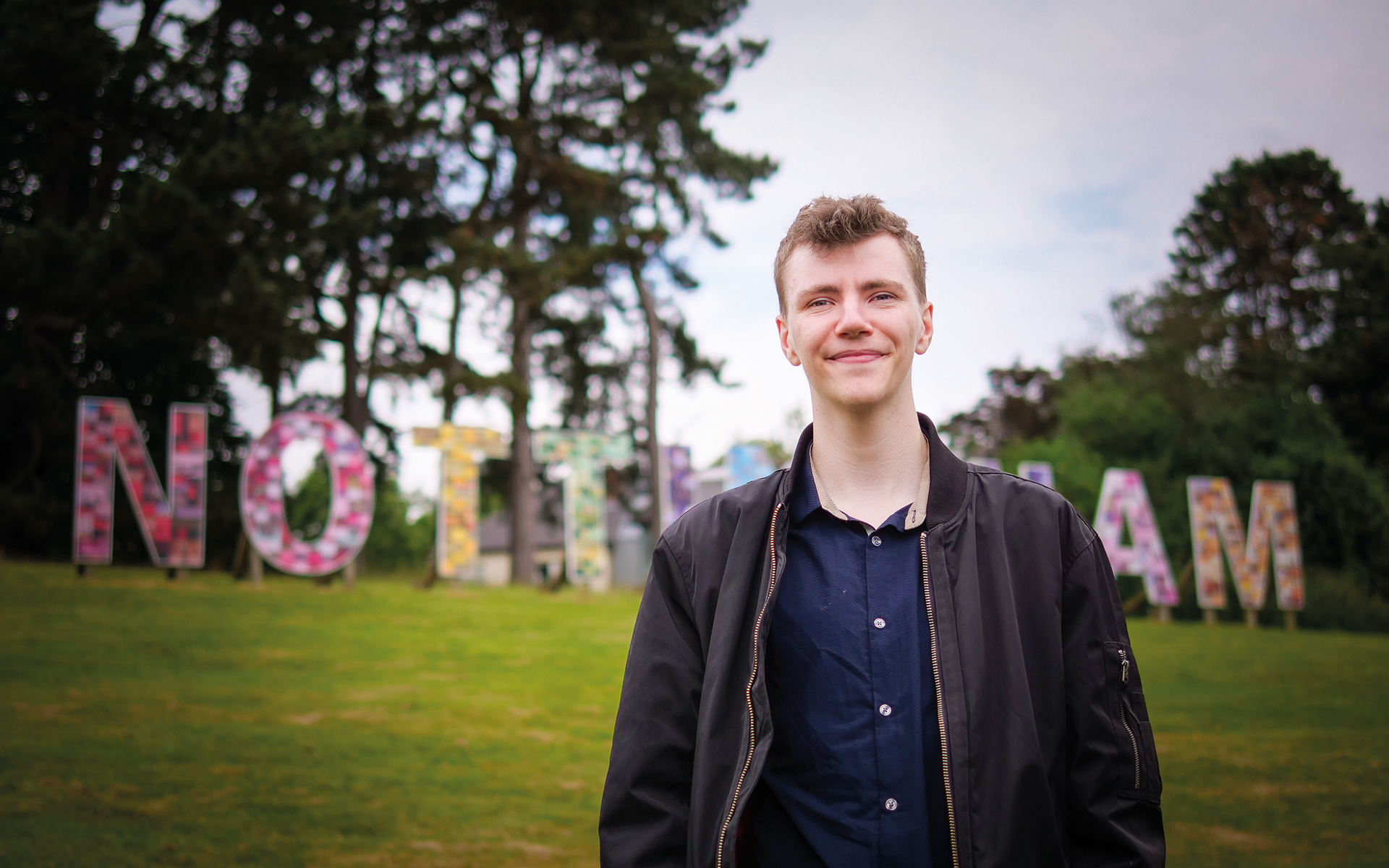
Dhruv Kumar Jain (Food Production Management, 2024) is our International Alumni Ambassador in Bangalore and shares his highlights in the city.

“The Vidhana Soudha (Legislative House) has stood tall since 1956. This architectural marvel represents an all-granite construction inspired from the Chalukya, Hoysala, and the Vijayanagara Dynasties.”

“The KR (Krishna Rajendra) Market dates back all the way to 1928. One can find everything from fragrant flowers and fresh fruits to flashy disco lights and handwoven textiles.”


“MTR has been in operation since 1924. Serving up some absolute lip-smacking South Indian food , this place is a must-visit. Featured here is my all-time favourite dish – the hearty and trusty Masala Dosa with hot sambar and coconut chutney to the side. Add to the mix some flavourful potato filling and what you have is nothing short of perfection. Beautifully crispy on the outside, yet pillowy soft on the inside, this one’s heaven served on a plate.”

“If there’s one place that can define Bangalore like no other, it ’s got to be Cubbon Park. Nestled in the heart of the city, one can find here people from all walks of life – be it children playing in the lush green grass or a couple reading their favourite book under the trees.”


Our International Alumni Ambassadors are based in 19 countries across North America, Africa and Asia. They help establish and grow localised alumni networks, as well as providing invaluable support for our international events. You can follow our Instagram account @nottinghamalumni for more My city content, or meet our cohort of International Alumni Ambassadors

A gift that keeps Giving

Words: Rob Burman

Giving Day is back for its fourth year in November – providing an opportunity for alumni around the world to join together and achieve something amazing.

Over the past three years, thanks to the generosity of alumni like you, Giving Days have raised a staggering £286,864 from 1,464 donors. Every penny donated goes straight to deserving causes like scholarships for students from disadvantaged backgrounds, helping to develop cuttingedge medical research and providing additional mental health support to students when they need it most.

None of this would have been possible without our incredibly generous alumni. What’s more, Giving Day is a truly international affair. Last year, we had donations from graduates in Cyprus, Greece, USA, Taiwan, Nigeria and many more. For this year’s Giving Day, we’ll be tracking where each donation comes from, thanks to a handy donor map which can be found on the website. Which country will come out on top?

Since Giving Day started in 2022, the most popular cause has been scholarships to help students unlock their potential. In fact, more than £176,000 has been raised for scholarships and given dozens of students the opportunity to thrive at Nottingham.

“I’m so pleased to see Nottingham Ambition Giving Day become an annual event. I’m always really moved to see so many people step forward and choose a cause that means something to them. People from all over the UK and the world, with graduation years ranging from 1951 to 2024 are proving that the unique University of Nottingham spirit is an unstoppable force for good. The messages they leave on our Donor Wall are just wonderful.”


Paul Geddes, Alumni Giving Manager

Your Impact

A look back at our previous Giving Days and the difference made by alumni contributions.

Student mental health

The life of a student can be full of pressures – from balancing the weekly budget or managing a busy lecture schedule. For some it can often be too much, and they feel overwhelmed, without somewhere to turn. However, thanks to services like Nightline, those students struggling with their mental health can find hope when things seem hopeless. More than £37,000 has been raised so far by Giving Day supporters for Nightline – allowing them to keep their lines open in times of need.

Medical research

We have a history of world-changing innovation in medical research at the University of Nottingham. From the development of MRI, to leading research on antimicrobial resistance, to lifechanging work in our cancer research centres, there is so much to be proud of. Giving Day funds cutting-edge research for Nottingham Breast Cancer Research Centre and the Children’s Brain Tumour Research Centre with almost £40,000 raised since 2023.


Don’t miss out on this year’s Giving Day

Taking place on 12-13 November

Secret garden

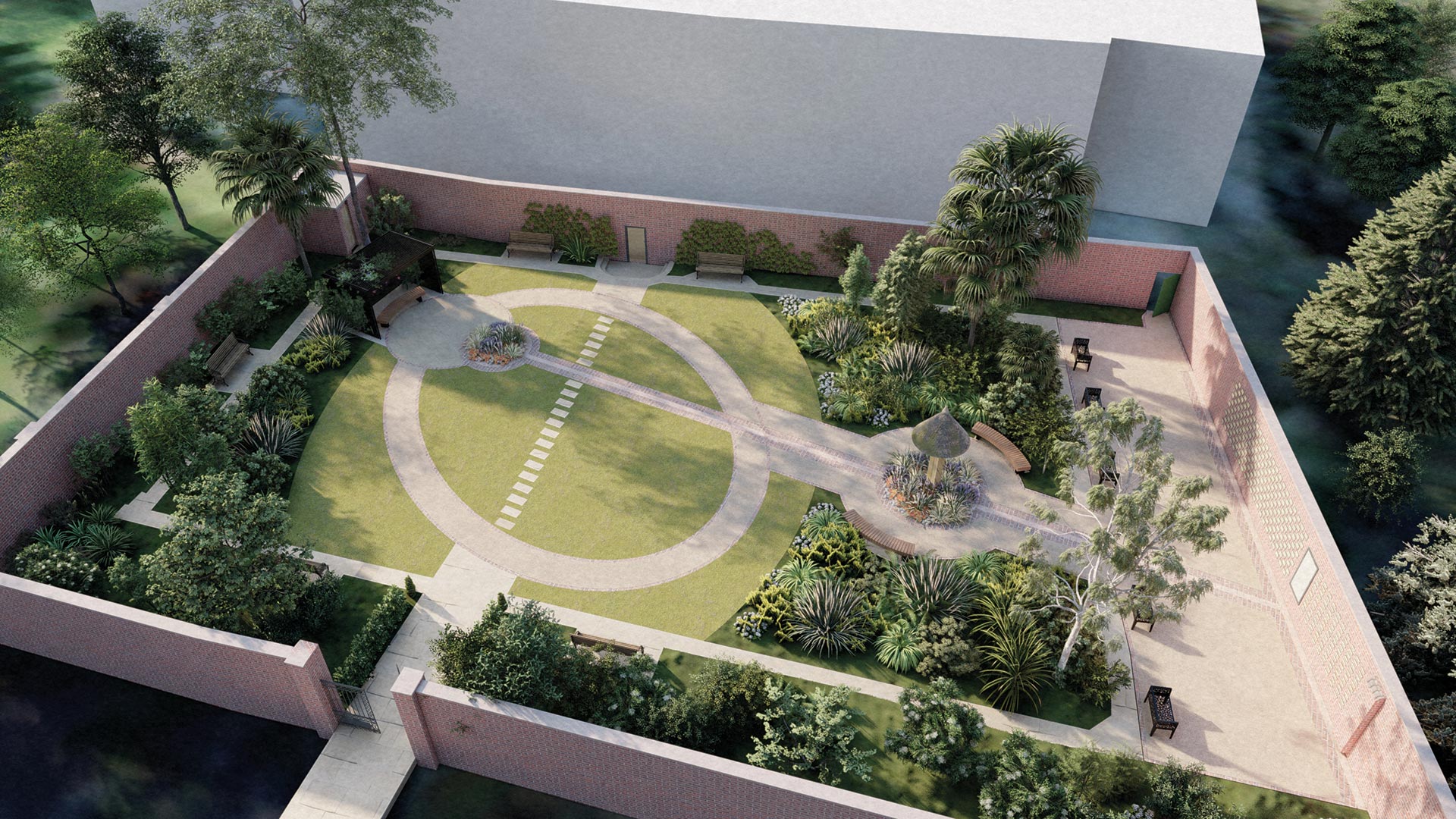
Image credit: Ares Landscape Architects
Words: Rob Burman

Tucked away on University Park is a quiet place to relax and reflect. If you’re returning to campus, it’s a delightful spot to take a moment out and reminisce about your time at Nottingham.

Behind two imposing gates, the Walled Garden can be found squeezed between the Centre of Advanced Studies and the New Theatre. In fact, you may have been near it numerous times while rushing to Hallward Library or visiting the Trent Building without even realising.

However, the history of the garden dates to before the University of Nottingham moved to University Park. It was built between 1835 and 1856 as part of Highfield House by Joseph Lowe, and included “vineries, stoves and glasshouses”. During the 19th century, Lowe’s son and grandson built several glasshouses and collected one of the most comprehensive collection of ferns in the world. Up to 600 species were said to be held at Highfield House.

In 2024, the garden underwent a major renovation, which included the creation of a Legacy Wall to remember those who have left a gift to Nottingham in their will. Yet many elements of the original Walled Garden remain and there are numerous references to its heritage. Here we look at the concept sketch for the garden renovation and key elements you should watch out for when visiting.

01. Gates

The large, cast-iron gates at the entrance to the Walled Garden were originally part of Highfield House before being removed. After their removal, they were abandoned for many decades until rediscovered. Purely by chance, during their restoration they returned to the very builder’s yard where they were originally made to be refurbished.

02. Ferns

Throughout the garden, you’ll find plenty of ferns to recognise the botanical history of the garden. Alongside this, more plants and trees have been added to mirror those found in a typical walled garden.

03. Astronomical feature

Edward Joseph Lowe’s studies in astronomy and weather-related phenomena led to him publishing papers on a wide variety of subjects including meteorology, luminous meteors, sunspots, the zodiacal lights and meteorological observations made during the 1860 solar eclipse at Fuente del Mar near Santander in Spain. This passion is recognised by this feature.

04. Water pump

The water pump once sat in the centre of the garden and was perhaps used to water the many plants kept by the Lowes – although its exact age is unknown. As part of the refurbishment, the pump was moved to offer a pleasant space to sit.

05. Legacy Wall

In 2024, a Legacy Wall was introduced into the garden – where the last remaining greenhouse once stood. The wall recognises donors who have left a gift in their will to the university. These generous bequests are commemorated by plaques mounted on a ‘donor wall’ to acknowledge their contribution towards the university and their impact on the wider community.


If you are interested in leaving a gift in your will – or would like a tour of the garden

Community

Volunteering

Our volunteers continue to make an invaluable contribution to our university community, with over 1,100 of you volunteering your time and expertise to support our programmes over the last academic year, helping over 12,800 current students and 1,880 alumni to thrive across 343 activities. Thank you!

Among the highlights this year have been the Black Industry Connections and Empowerment Programme (BICEP), which returned for a third year to support the personal and professional development of Black heritage students; the Future Connections Programme, which is designed to support Nottingham students from underrepresented backgrounds to develop their career confidence and connect with sector-leading alumni across a range of industries; and our International Alumni Ambassador programme, which supports alumni activity across the globe as well as international student recruitment.

Find out more about volunteering at: bit.ly/uonvolunteering

Class notes

A returning favourite, Where are they now? presents personal and professional updates from across the alumni community. Visit our updated section on the alumni website to read more and share your own: bit.ly/uonwatn

Andrew Burton (Mathematics, 1987) was inducted as a Lifetime Fellow of The Institute of Chartered Accountants in England and Wales.

Singer-songwriter phenomenon Myles Smith (Sociology and Social Policy, 2019) picked up his Rising Star award at this year’s BRIT Awards ceremony in London in March.

Patrick Johns (Music, 1999) is a member of the London Vegetable Orchestra, who were special guests at a Windsor Castle reception in April – they even persuaded The King to play a recorder shaped from a carrot.

The Formula 1 British Grand Prix in July was a highlight for James Key (Mechanical Engineering, 1996), the Technical Director for the Kick Sauber team. Driver Nico Hülkeberg claimed a podium position for the first time in his career – in his 239th race!

Meg Pragnell (Medicine, 2019; Clinical Medicine, 2021) spent July and August completing 15 half-ironman triathlons in 15 days to raise £15,000 for charity.

Four graduates returned to campus in February to mark 50 years since they began their studies at Nottingham – Bernie Woollard (Economics/Agricultural Economics, 1978), David Talbot (Mining Engineering, 1978), Mike Kershaw (Civil Engineering, 1978) and Peter Taylor (Chemistry/ Zoology, 1978).

The debut novel by Sasha Butler (English, 2016) was published in October. The Marriage Contract tells the story of life in the Elizabethan era and explores a woman’s fight to follow her desires and find her autonomy.


Your alumni programme

Connect

Our alumni events are a great way to connect with your global alumni community and build your professional networks. Visit our events calendar and check your alumni newsletters for details of our upcoming events.

Find out more: bit.ly/uonalumnievents

Learn

Develop your skills with our webinars and talks, with academic experts and alumni speakers. Recent topics have included ‘How to succeed at career transitions’ and ‘How to land your next job’. All of our webinars are available now in our free content library, and visit our events calendar for details of our upcoming events.

Find out more: bit.ly/cwtlearn

Nottingham University Business School’s Industrial Economics Department turns 75 in 2026.

Plans are underway to celebrate this milestone – if you’d like to register your interest to hear more about upcoming events, please email: nottinghambusinessalumni@nottingham.ac.uk


Alumni insight

Find about our activities and events, professional development, volunteering opportunities and much more.


Events


We’ve been delighted to welcome you to our global alumni events this year, with many of you joining us to connect with fellow alumni and grow your networks. Here’s a look back at some of this year’s highlights

Top – bottom: Pune, Kuala Lumpur, Kuala Lumpur, Los Angeles, Hong Kong.

Top – bottom: Nottingham, Nottingham, Mumbai, Accra.

Top – bottom: New York, New York, Los Angeles, San Francisco, Nairobi.


The restoration man

Words: Chris Hickman

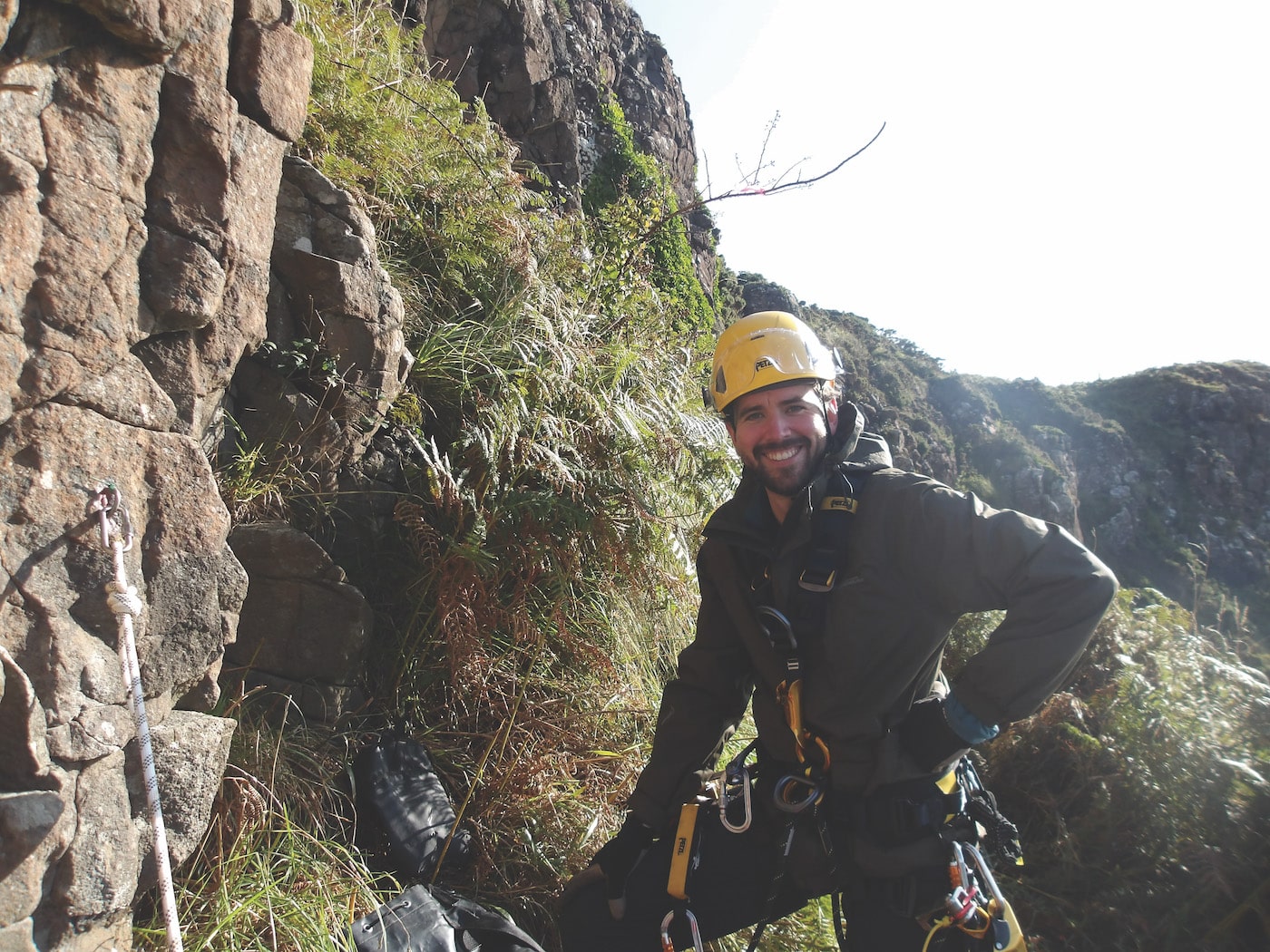
Meet Ed Marshall (Biological Photography and Imaging, 2013) – the Nottingham graduate on a globe-trotting mission to preserve wildlife on some of the most remote islands on the planet.

If you’ve ever considered a career in conservation, you’re unlikely to find a job more apt than that of Ed Marshall. The Wales-based restoration ecologist quite literally conserves populations of native wildlife on remote islands across the world with New Zealand-based consultancy Wildlife Management International Limited (WMIL).

From his very first role on the Isles of Scilly to one of his most recent on Ascension Island – among the most remote islands anywhere on the globe – Ed, as a member of WMIL’s team, has helped thousands of seabirds, lizards and other species thrive, predominantly by removing invasive predators that would otherwise predate their eggs, young and even adults.

“My job covers everything from an initial feasibility study to community engagement, eradication and any biosecurity required after to protect the native species.”

“It’s one of these rare sectors of conservation where you can see the change pretty much as you’re doing the work.”

“I worked on a project on Pine Cay in the Caribbean to protect the Turks and Caicos rock iguana. Over the course of just four or five months of restoration we started to see lots of babies, not just iguana, but geckos and lizards called curly tails too!”

Ed pictured on Rathlin Island off the coast of Northern Ireland. Image credit: Lydia Titterton

His boots are made for walkin’

Of course you are now wondering what myriad skills and attributes you need to secure a job travelling to some of the world’s most beautiful islands – believe it or not, it could
be as straightforward as possessing a cagoule and sturdy footwear.

“Above all else, you need an ability to work in the outdoors and be happy in all weathers. This line of work is becoming more common in the UK, but the projects always happen over the winter, so obviously it’s often in wind and rain. You’re outdoors for eight hours a day.”

“Another useful skill is GIS (Geographic Information System) mapping. The projects are becoming bigger, and the mapping requirements are becoming more and more complex. As an example, the LIFE Raft project I’m a part of in Northern Ireland has about 6,500-7,000 bait stations, and these all appear as little points on a map. Then you have to analyse every single point of data”

Ed, whose degree revolved primarily around photography, first entered into the conservation sector thanks to a volunteering placement six months after graduating – and the rest is history.

“A guest lecturer on my course was a past master’s student, and he presented a slideshow on everywhere he’d been on his travels, Costa Rica, Madagascar and all these other amazing places. I thought that’s what I want to do too.”

“It’s quite a daunting moment when you graduate and get your certificate. You’re like, ‘OK, I need to find a job now’.”

“Every bit of free time I had, I was out taking pictures, editing them and sending them off to try and get published. I was on the lookout for things that would be able to fit with a photography degree.”

Aerial of Redonda Island. Image credit: Ed Marshall

Around the world in 10 years

Ed successfully applied for an internship offered by youth conservation group ‘A Focus on Nature’ to fill a placement on the Isles of Scilly, which combined his expertise behind the lens with more practical conservation work. A decade later and his passion has now seen him travel the world, ensuring the survival of generations of wildlife.

“Working on Ascension Island is interesting because when Darwin arrived there in the 1800s, they decided that the landscape needed trees planting. So the entire island has been terraformed. You go to the top of Green Mountain, an extinct volcano, and it’s all bamboo forest which is out of place.”

“Everything has been altered. Because there’s all these invasive plants, rats, mice and sheep feed on them and then disperse the seeds. So the invasive plants are actually being spread far and wide by the invasive mammals that are there too.”

Whether here in the UK on Lundy Island, where the Manx Shearwater recovered from just under 600 individuals in 2001 to over 25,000 individuals today, or on the Caribbean Island of Redonda where within just a few years of the project’s completion lizard numbers bounced back by over 1300%, the numbers underline the value of a career in ecological restoration.

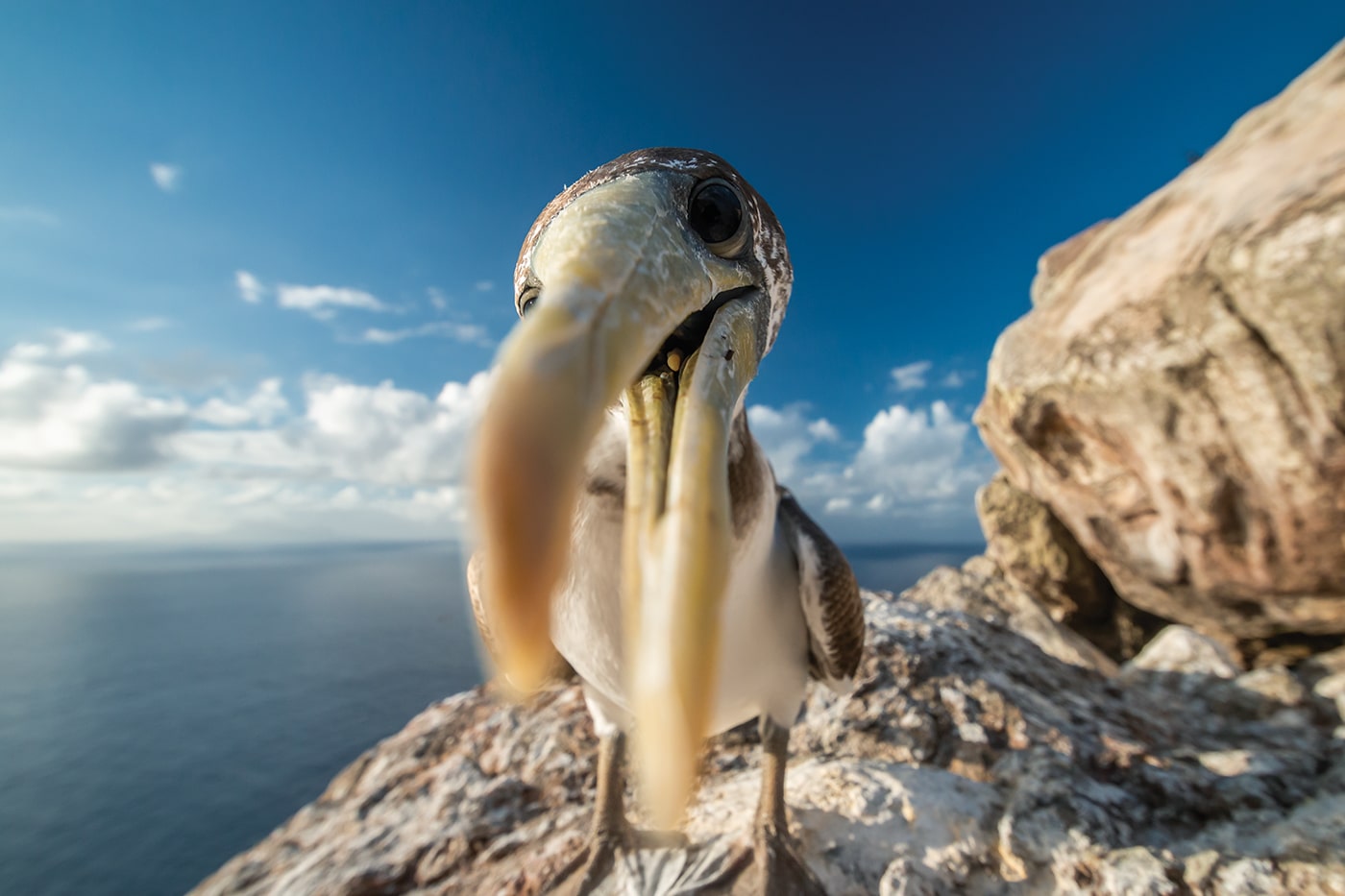
A masked booby. Image credit: Ed Marshall/Flora & Fauna

So that’s trips to the UK, New Zealand, Caribbean, Ascension – are there any downsides to the work at all?

“Sometimes I feel awkward saying to someone ‘I work in the Caribbean’, because obviously everyone’s like, ‘oh, must be nice?’”

“But I think we spent about 10 days in Barbados, and most of that was in an office.”

It’s a hard job, but someone’s got to do it.


Image credit: Ed Marshall

Green gains

Edited: Myles Griffin and Chris Hickman

Tomorrow’s world must change. In the face of a global climate crisis, our choices impact the ecosystem’s future. Though difficult, the University of Nottingham has the expertise to drive sustainability forward.

Sustainability however doesn’t always mean higher costs or inconvenience. While benefits may not be immediate, change can lead to wider prosperity – locally and globally.

Professor Tom Rodden, Pro-Vice-Chancellor for Research and Knowledge Exchange, introduces how the university’s innovation centres and partnerships have laid the foundation for growing prosperity through sustainable advancements.

“Our research and knowledge exchange activities are essential for fostering innovation and driving local economic growth, particularly in the pursuit of sustainable advancements.”

Launched in 2022, the Zero Carbon Cluster (ZCC) brings together leading researchers to promote interdisciplinary collaboration and accelerate the application of zero-carbon heavy transportation solutions in both commercial and policy spheres. Through partnerships with industry and government, the ZCC aligns research priorities with real-world needs, ensuring sustainable solutions are deployed at scale.

In a major step, the East Midlands Freeport announced over £5m, match-funded by the University of Nottingham and Loughborough University, to establish the Zero Carbon Innovation Centre at Nottingham’s Jubilee Campus. This centre solidifies the region’s role as a global leader in green industry innovation, attracting international investment and supporting global businesses.

Achieving net zero will also require careful consideration of human behaviour, which is why we have launched a policy commission to explore a just transition to net zero. The commission has called experts from various sectors to share insights on who benefits, the role of communities,
and how to achieve this transition, with findings to be published in November.

The university, known for its world-leading zero-carbon research, is frequently sought after by government and industry for advice on green technologies, including electrification, net zero aviation, and low-energy solutions for buildings. Our goal therefore is to ensure this advice consistently drives impactful, positive change for people.”

Take a look through three examples of how our work is already benefiting wider communities.

Achieving net zero aviation

As global pressures to address climate change intensify, the aviation industry is flying towards a crucial crossroad. The UK, leading the charge, became the first major aviation sector to commit to net zero CO2 emissions by 2050. The University of Nottingham is a pivotal player in this transition, advancing sustainability research that promises benefits far beyond reduced emissions.

One of the university’s most groundbreaking initiatives is its £5.3m research programme focused on hydrogen propulsion in aviation. This project aims to develop a revolutionary cryogenic hydrogen-electric propulsion system, potentially transforming how aircraft are powered. The two megawatt prototype engine, leveraging hydrogen fuel cells and power distribution at extremely low temperatures, could significantly reduce emissions and set new standards in efficiency. This initiative positions the East Midlands as a global hub for low-carbon aerospace innovation, attracting investment and talent to the region.

In tandem, the university’s work on intelligent electrical systems offers another crucial advancement. By reducing the size and weight of onboard generators, these new systems can drastically lower energy consumption during flight. A reduction of up to 15% in generator size not only cuts fuel usage but also enhances overall aircraft efficiency, supporting the industry’s shift toward sustainability.


The Nottingham Applied Materials and Interfaces lab’s research into lithium-sulphur batteries exemplifies the university’s commitment to innovation. These batteries, which are lighter and more cost-effective than traditional lithium-ion batteries, could revolutionise energy storage in aviation. Their ability to store more energy at a lower cost makes electric aviation more viable, accelerating the adoption of greener alternatives.

Additionally, the university’s collaboration with Boeing on recycling aircraft materials sets new sustainability benchmarks. This partnership has enabled Boeing to become the first manufacturer to recycle 100% of its excess carbon fibre, showcasing the potential for a circular economy within aviation.

Beyond environmental benefits, Nottingham’s research is poised to deliver significant economic and social returns to the East Midlands region as a whole. These advancements are expected to stimulate economic growth, create jobs, and develop new skills through targeted training and education. The influx of international investment will also drive infrastructure improvements, enhancing transport, facilities, and utilities across the region.

Nottingham’s pioneering research in sustainable aviation is not only a key driver toward net zero emissions but also a catalyst for broader societal and economic transformation. As these innovations take flight, they promise a future where aviation is environmentally sustainable and a cornerstone of regional prosperity.

Driving Indonesia’s electric revolution

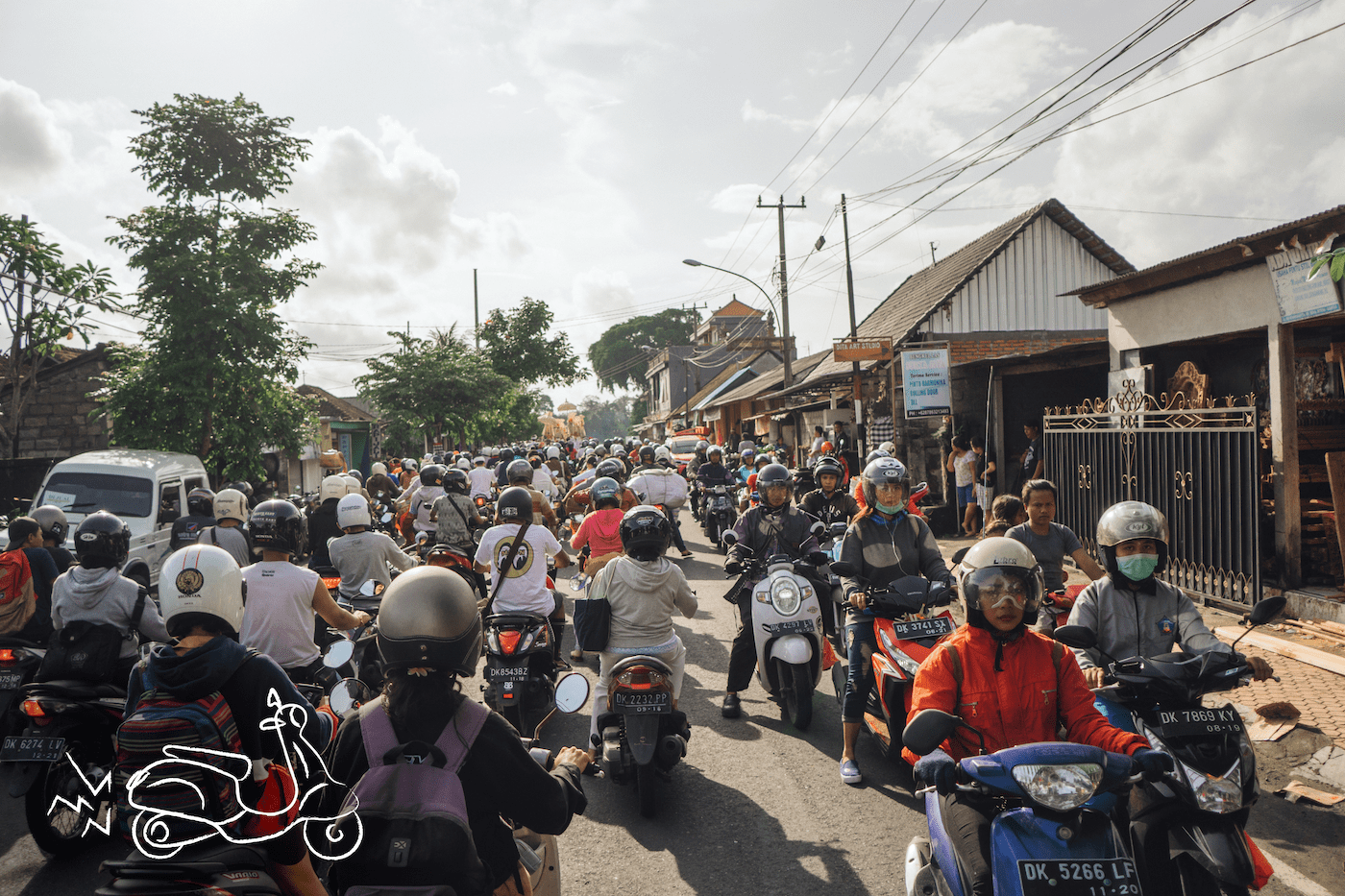
Indonesia is poised to become Southeast Asia’s electric vehicle (EV) leader, with the University of Nottingham playing a crucial role in this green transition. Known for its net zero propulsion research, the university is driving real-world impact through collaboration with Indonesia. However, the nation’s reliance on fossil fuels threatens its 2060 net zero target. As the world’s ninth-largest greenhouse gas emitter, Indonesia must balance reducing emissions with economic growth, making transport electrification vital to its sustainable future.

Here, the University of Nottingham’s role is indispensable.The institution stands as the UK’s leading centre for knowledge exchange with Indonesia, leveraging its expertise to support the country’s transition to a low-carbon economy. The university’s Faculty of Engineering has played a crucial role in developing policies and infrastructure plans for EVs in Indonesia, directly contributing to the country’s green transport strategy.

The forthcoming Net Zero Translation Centre in Bandung exemplifies this impactful collaboration. Set to be a hub for training and innovation, the centre will focus on several key areas. It will upskill workers to support the emerging EV infrastructure, provide training for SMEs, polytechnics, and high school students, and facilitate the adaptation of Indonesia’s extensive two-wheeler fleet into e-bikes and e-scooters. This initiative will not only bolster Indonesia’s EV sector but also create new employment opportunities and drive local economic growth.

Moreover, the centre’s alignment with safety standards and its proactive engagement with Indonesian policymakers ensures that the training provided will be both relevant and practical. By fostering local expertise and supporting industry development, we are not only aiding Indonesia in its quest for net zero but also amplifying the economic and social benefits of this transition.

In summary, the University of Nottingham is not just a research leader but a crucial enabler of Indonesia’s green future. Through its innovative projects and strategic partnerships, it is helping to forge a path towards sustainable development and a cleaner, more prosperous future for Indonesia and beyond.

Greener picture

As a global leader, it’s not just about what the university can achieve through research and teaching, but also our approach to the operation of a large and complex estate. Over the last decade, we have invested significantly in both new buildings and major refurbishments such as Florence Boot Hall, all with sustainability at the forefront. More recently we have set an ambitious carbon reduction pathway aligned to the 2016 Paris Agreement and are currently slightly ahead of our carbon budget – we have already reduced our carbon emissions by over a third in the last 15 years – but the task ahead is significant.

As well as a climate crisis we are also in a global nature crisis. Here in the UK for example, since the 1930s, nearly 7.5m acres of flower-rich meadows and pastures have been lost. In Nottinghamshire alone, a reduction of 97%.

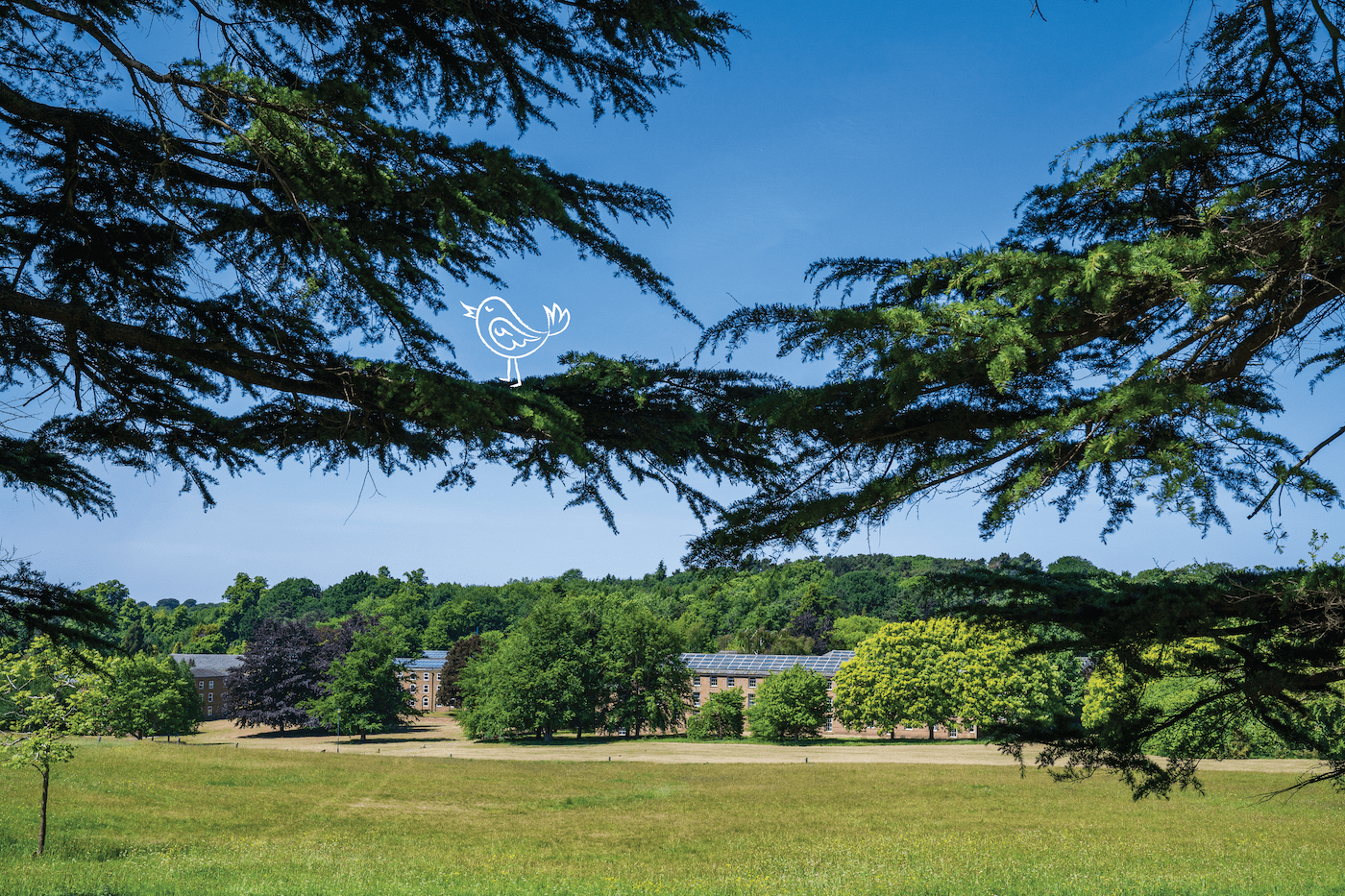
The spaces between our buildings provide a unique and cost-effective solution. Many of the manicured lawns of yesteryear have been transformed into wild meadows, restoring habitats and leaving grass to grow longer. This creates more homes and plentiful food sources for wildlife, as well as providing spaces for our university community to enjoy.

At the Riverside sports complex we have planted over 1,000 trees in collaboration with our sports teams. The lawned areas at Lenton Hurst and Keighton Hill have been transformed into wild meadows, and we have created a new woodland walk in the centre of University Park Campus.

Over the next two years as a partner of the Nottinghamshire-wide ‘Wild Campuses’* pilot we will be working to further increase the abundance and diversity of threatened species around our campuses. Crucially, it will also empower students, staff and young people across Nottingham to reconnect with nature and tackle the ecological crisis hands-on.

Find out more about the university’s commitment to sustainability.

*Wilding Campuses is a regional partnership project to restore local natural heritage, led by SOS-UK and made possible with the Heritage Fund and thanks to National Lottery players.

Food for thought

Words: Josef Bone

At Nottingham University Business School, researchers tackle big challenges that affect economies and societies across the globe, with the goal of making real and lasting impact for communities worldwide.

And while food might not be the first topic that springs to mind for business studies, recent work from the Business School has shown just how relevant it can be to contemporary challenges. Whether through academic research, hands-on community initiatives, or advanced data analysis, the school and its network is exploring the complex questions around what we eat, where it comes from, and how we consume it.

Dr Anne Touboulic
Jonathan Harper
Dr Roberto Mansilla


Who’s paying?

Dr Anne Touboulic, an Associate Professor in Operations Management, focuses on the growing gap between consumers and where their food comes from. Her ERSC-funded project, Inclusive Food, aims to rethink our food systems: creating sustainable supply chains, supporting farmers, and helping people to reconnect with the food on their table.

“Fundamentally, our food system is broken,” she says. “We live in a climate and ecological crisis. The farming sector is struggling massively. I think we’ll be lucky if we’ve got any farmers left at the end of this decade. Which begs the question, who is going to grow our food? And ultimately, without nature, where will we get our food?

“People are more and more disconnected to the provenance of their food. A lot of the diets that we see in the western world now actually are very remote from the raw food products.”

Ultimately, Touboulic calls for a re-evaluation of how we value food, and the people who produce it. In a world of cheap, ultra-processed food and unprecedented waste, she challenges us to consider a question that lies at the heart of creating more sustainable and equitable food supply chains for the future: “Who is it cheap for – and who’s paying?”

Can-do attitude

Jonathan Harper (Industrial Economics, 2003), founder of the social enterprise CanTeam, is using food as a powerful tool to bring people together and drive change. In 2023, he launched CanTeam to transform underused spaces into lively community hubs for social eating, helping to tackle social issues and unite communities along the way.

“I have always felt school facilities are underutilised after school, at weekends and holidays, and that they could play host to activities which bring young people and communities together,” he explained.

The project turns school canteens into after-school dinner clubs for students and parents, giving young people a chance to learn how to cook while promoting sustainable eating and better health. After successful pilots in London, CanTeam won the 2024 Big Change Education Challenge, which is now helping them expand their projects to other parts of the country.

“I do passionately believe, if we expose young people to cooking skills and trying diverse foods in a fun and informal way, we can transform food culture and create sustainable change,” he says. Harper’s goals are ambitious: working with schools, local authorities and catering companies to launch more CanTeam projects than McDonald’s branches in the UK by 2030.

“Food is both our biggest challenge and the solution to many of the issues society faces,” he says.

“We need to be more ambitious in scaling food interventions which can have a transformative impact on the health of our nation.”

Big data for good

For N/LAB, the Business School’s state-of-the-art teaching, data visualisation, and research facility, food – or more specifically, the data behind it – can reveal hidden insights that could lead to improving the health of our nation.

The Business School encourages students and researchers to think beyond traditional business models, focusing on how business can address complex social and environmental issues. As such, N/LAB’s “Machine Learning for Good” ethos is driving innovative applications of AI and data analysis in the retail sector.

One key study from the Lab this year, using anonymised data from Co-op loyalty cards, showcased how consumer behaviour data can predict health-related deprivation, childhood obesity, and future diabetes risks at a local level. The study found that the number of calories per pound spent, and the proportion spent on cigarettes, were important predictors of high levels of health-related deprivation in a certain area.

This data-driven approach could prove more efficient than current methods of assessing local levels of deprivation, such as the Indices of Deprivation (IoD), which are only updated every four to five years. Studies like this open the door to more timely and targeted interventions, allowing policymakers to make decisions based on real-time consumer behaviour and personal data.

Dr Roberto Mansilla, Assistant Professor in Social Data Science, explains the potential of digital footprint data: “The sort of digital footprint data we leave behind us – and entrust companies to be guardians of via their loyalty card schemes – is still pretty much untapped. Yes, data can provide valuable insights into consumer behaviour, preferences, and trends, but it can serve purposes beyond pure marketing.”

N/LAB’s research around loyalty card data has also resulted in studies predicting things like respiratory illnesses, period pain, or dietary deficiencies, as Mansilla explains in this video:


As Touboulic points out, there is no “one size fits all” solution to these complex problems, but these initiatives showcase a holistic approach to transforming food systems. They tackle not just immediate challenges like nutrition and public health, but also broader issues such as community cohesion, sustainability, and social inequality.

By reconnecting communities with their food sources, encouraging social eating, and using big data for public good, the Business School is helping create a more sustainable, equitable, and healthier food future.

Level up your business knowledge

Level up your business knowledge and stay up-to-date with the latest insights, events and updates from Nottingham University Business School with our Connect Business alumni newsletter, delivered to your email inbox every three months.

My city: Los Angeles

Words: Joanna Sippetts

We all need a bit of inspiration on our travels, so who better to provide it than our team of International Alumni Ambassadors?

Our 106 volunteers are based in 19 countries across North America, Africa and Asia. They help establish and grow localised alumni networks, as well as providing invaluable support for our international events. Joanna Sippetts (Human Geography, 2022) is our ambassador in Los Angeles and shares her highlights in the city, where she works as a marketing associate.

“I love to play tennis and surf at Huntington Beach – it’s not called Surf City USA for nothing!”

“Heisler Park is a beautiful oceanfront park. It’s lovely to meander around and have brunch or even take a picnic, particularly at sunset.”

Image credit: Lydia Koh/Unsplash

“The Getty Museum is the most wonderful place, and I love exploring it with my friends. You take a cable car to get there, and it holds some of the most amazing art, sculptures and exhibits from all over the world.”

You can follow our Instagram account @nottinghamalumni for more My city content, or visit our website if you would like more information about becoming an International Alumni Ambassador

Your Nottingham Alumni Awards

The second year of our Your Nottingham Alumni Awards once again shone a light on remarkable members of our alumni community. The awards demonstrate how so many of you embrace the university’s values and make amazing contributions in so many different ways. Meet our 2024 winners and discover what receiving an award means to this year’s recipients.

2024 winners

Vincent Egunlae

(Politics and International Relations, 2016)

Vincent is a multi-award winning change-maker, keynote speaker and co-founded charity The Open Private School.

“Receiving this award makes me very happy because it’s on account of my achievements and for things I’ve done to improve the lives of others, and it really does mean a lot to me. University was such a big part of my life and I met so many incredible people while I was here, to have the chance to speak about the things I’ve done since university and what Nottingham means to me, to receive the award is incredible.”


Lauren James

(Natural Sciences, 2014)

Lauren is a Carnegie-longlisted author and story consultant on Netflix’s Heartstopper.

“It’s such a huge pleasure to receive this award! Having the chance to reflect on my time at university and think about the person it turned me into and how much I grew and developed during my time at Nottingham was a really nice moment, I’m so proud to be a Nottingham graduate. I was so excited to receive this award because it feels like such an honour to be recognised for the work you’re putting in, it was really special to me.”


Lizzy Hall MBE (Psychology, 1990)

Lizzy is the founder of charity The Hygiene Bank.

Lizzy Hall MBE

“Nottingham has played a huge part in my life from my university days to Boots being a founding partner of The Hygiene Bank. The university’s values very closely mirror the values of the charity and so are very close to my heart. Very early on in The Hygiene Bank days, ‘I’ became ‘we’ and so this award is a humbling recognition to all those that have helped along the way.”

Trang Chu Minh

(International Relations and Global Issues, 2011)

Trang is a sustainability and social impact professional, and sits on the management committee of Runninghour, an inclusive sports cooperative for people with disabilities.

“Never in my wildest dreams did I imagine receiving this award, especially as someone who has grappled with imposter syndrome for as long as I can remember. This recognition is a testament to the power of underdogs – that anything is possible, and anyone, regardless of background or ability, can become a changemaker. It has reaffirmed my belief that with passion, purpose, patience and perseverance, the sky is truly the limit to what one can achieve.”


Sarah Hayford

(International Relations and Global Issues, 2018)

Sarah is the founder and CEO of social mobility organisation The Land Collective.

“It was really exciting to find out I’d won! It’s nice to be acknowledged in this way, especially considering the University of Nottingham is where I started The Land Collective. Looking at the other alumni award winners and seeing the impact they’ve made in their own respective sectors, it’s really nice to be a part of that group. I’m really excited to see what the future holds and how I can come back to Nottingham to get involved in more projects.”


Goosey Goose

Goosey games

Back by popular demand, this year’s crossword is all about some of the most iconic locations around campus and the city. Can you solve Goosey’s clues?

Goosey Goose

Congratulations!

All clues solved – Well done.

Goosey's Games

1
2
3
4
7
5
6
8
9
10
Across
  • 6.The first latin word of the university's motto(9)
  • 8.Subject studied using Nottingham's award-winning creative energy homes(12)
  • 9.One of Nottingham's libraries, named after the university's first Vice-Chancellor(8)
  • 10.A transport link between campus and the city(4)
Down
  • 1.Campus built on the former Raleigh factory site(7)
  • 2.Annual sports competition with Nottingham Trent University(7)
  • 3.High-street chemist founded in Nottingham(5)
  • 4.Nobel Prize winner for MRI technology and Nottingham professor(9)
  • 5.High-profile physicist, who gave a lecture at Nottingham in 1930(8)
  • 7.Historic annual fair held in Nottingham(5,4)

Nottingham Ambition Giving Day 2025

Get involved and unlock potential this Giving Day. Together we can transform lives.